

The gravitational force of the viral indie animated film Niu Lai was too strong to resist for me last night.
If you still haven’t heard of Niu Lai yet, this BBC piece should be a good primer.
In short, it’s a simple story about a calf, made by no more than a two-person crew consisting of a mother and a son, using only interior design software - for 5 years.
Initially, because there was no marketing budget or big distribution deal at all, only a few people watched it in the cinema, and some of them complained online about what a giant pile of c**p they just paid for. But those complaints and the unique backstory quickly turned Niu Lai into a national sensation and an unlikely commercial success.
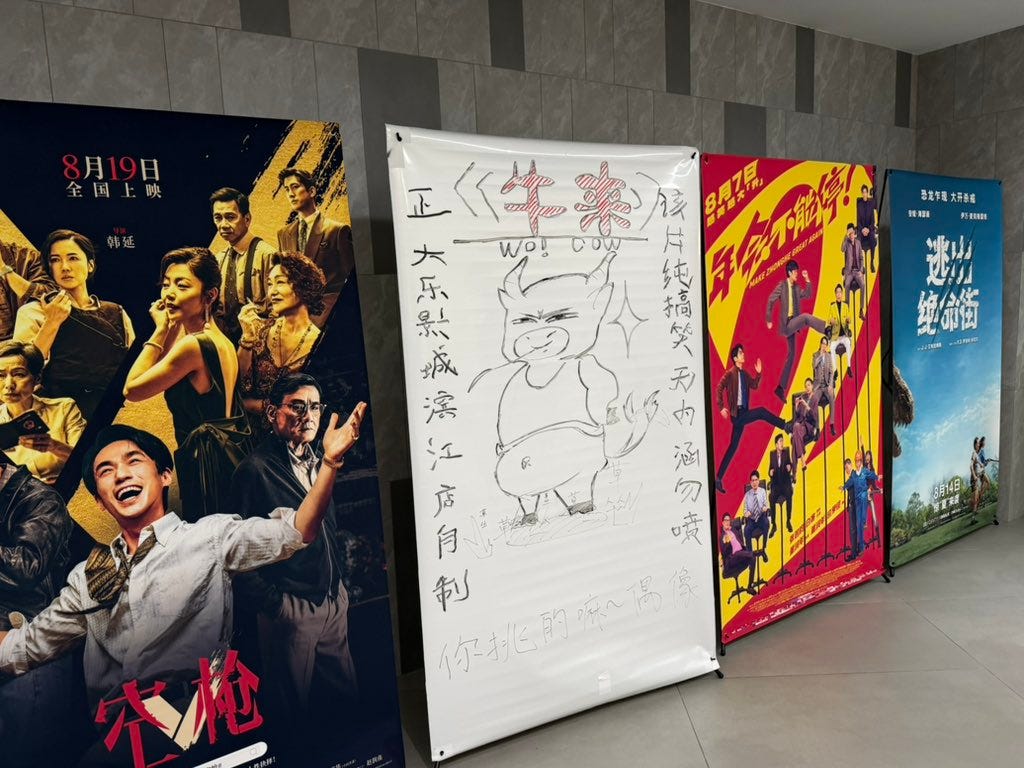
To grasp the nature of this phenomenon, just look at the poster at the cinema I went to last night: there were no official posters, only one hand-drawn by the cinema staff, warning the audience of caveat emptor.
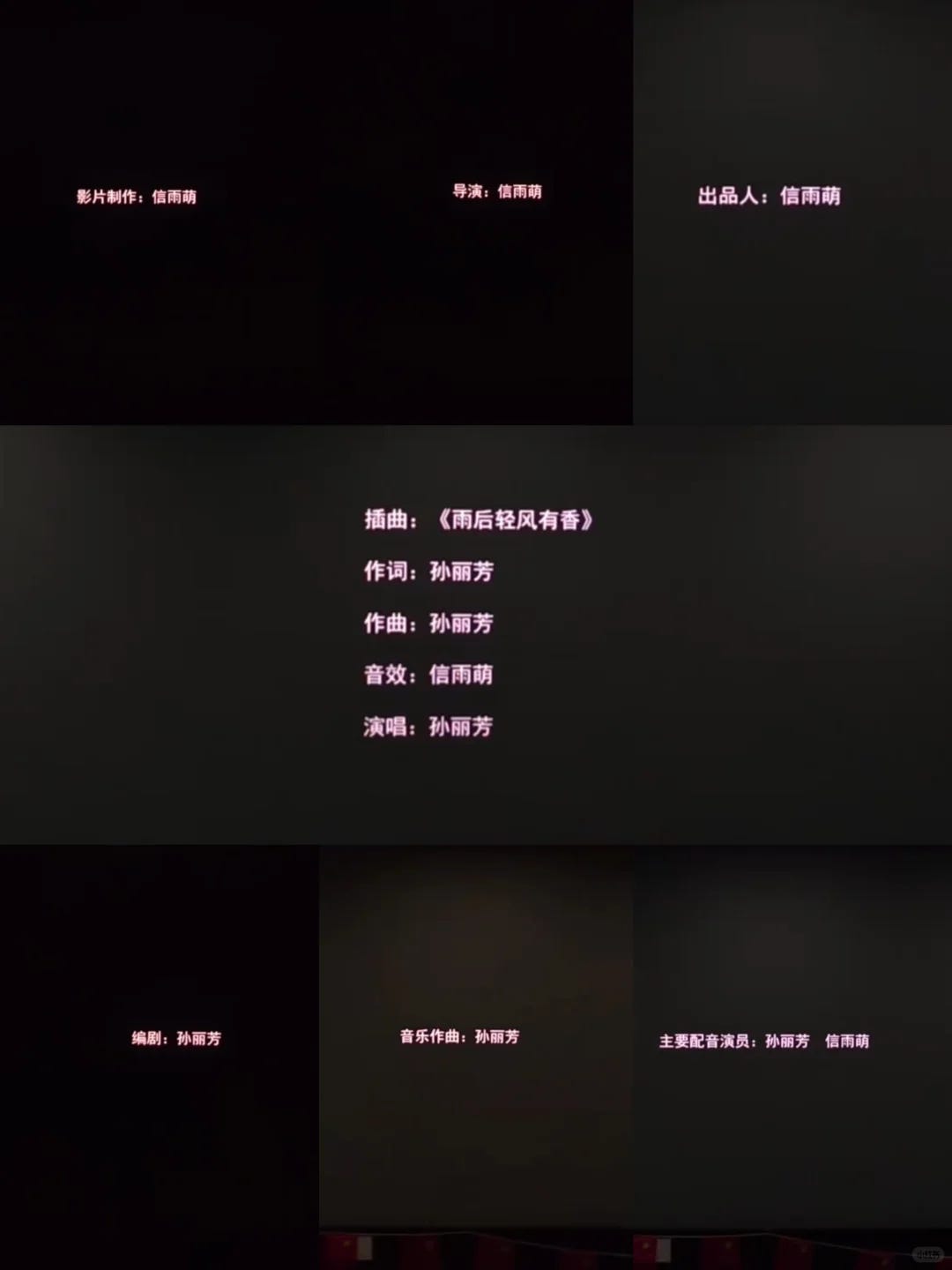
Even the ending credits roll was something I have never seen before. Instead of the hundreds and thousands of names you would normally see after any film and would not care to remember, this one has only 2 names, jumping between producer, director, animator, screenwriter, songwriter, dubber, and singer.
All in all, I have never seen anything like this before.
Now I have become one of the many who have tasted the power of Niu Lai (Do you envy me?) Would I recommend the film? Well, how should I put it… If you happen to pass by a cinema in China tonight, you should go watch it, 100 percent. It’s an experience you won’t forget.
Why does Niu Lai become viral, apart from its good name (which literally means “The Bull is Coming”)?
I can think of at least 5 reasons.
First, it’s authentic. When the filmmaker, Xin Yumeng, switched from interior design to pursue his dream of filmmaking, it was 5 years ago, in 2021. That was still a pre-GPT, pristine age of the human race. In some way, the shoddy quality, the funny script, the indescribably unique animation style, and the public revelry around it seem to be an act of rebellion against the direction humanity will ultimately go. In the face of AI-generated slops that are always one sentence away now, the film preserves mankind’s ultimate stubbornness in using its bare hands.
And instead of making things ever more packaged, ever more curated, the film seems at ease doing what a filmmaker should do: telling a story to the utmost extent he or she can.
Second, this film is for the ordinary folks, because it’s made by entirely ordinary folks. Prior to this film, nobody in China realized that handmaking a film for 5 years and getting past the entire approval regime was actually possible for a single individual. Now, ordinary folks have a hero to cheer for.
Thirdly, this film presents a unique movie-going experience that you probably have never had and probably will never have again: not the “be quiet, no phone” atomized experience that we are all very used to now, but the rowdy, laughing, cursing, and phone-flashing that we all sorely miss sometimes.
Perhaps when humanity first discovered cinemas in the early 1900s, this was what it originally felt like?
Fourthly, at its core, this story is a parallel story about a mother and a son. The film itself was about how a son grew up, with the help of his mother. Outside the film, it was a son with a dream of filmmaking, with a mother who wholeheartedly indulged and actively aided in her son’s dream. This is a universal story, with the kind of touching sentimentality that AI of today still probably can’t get.
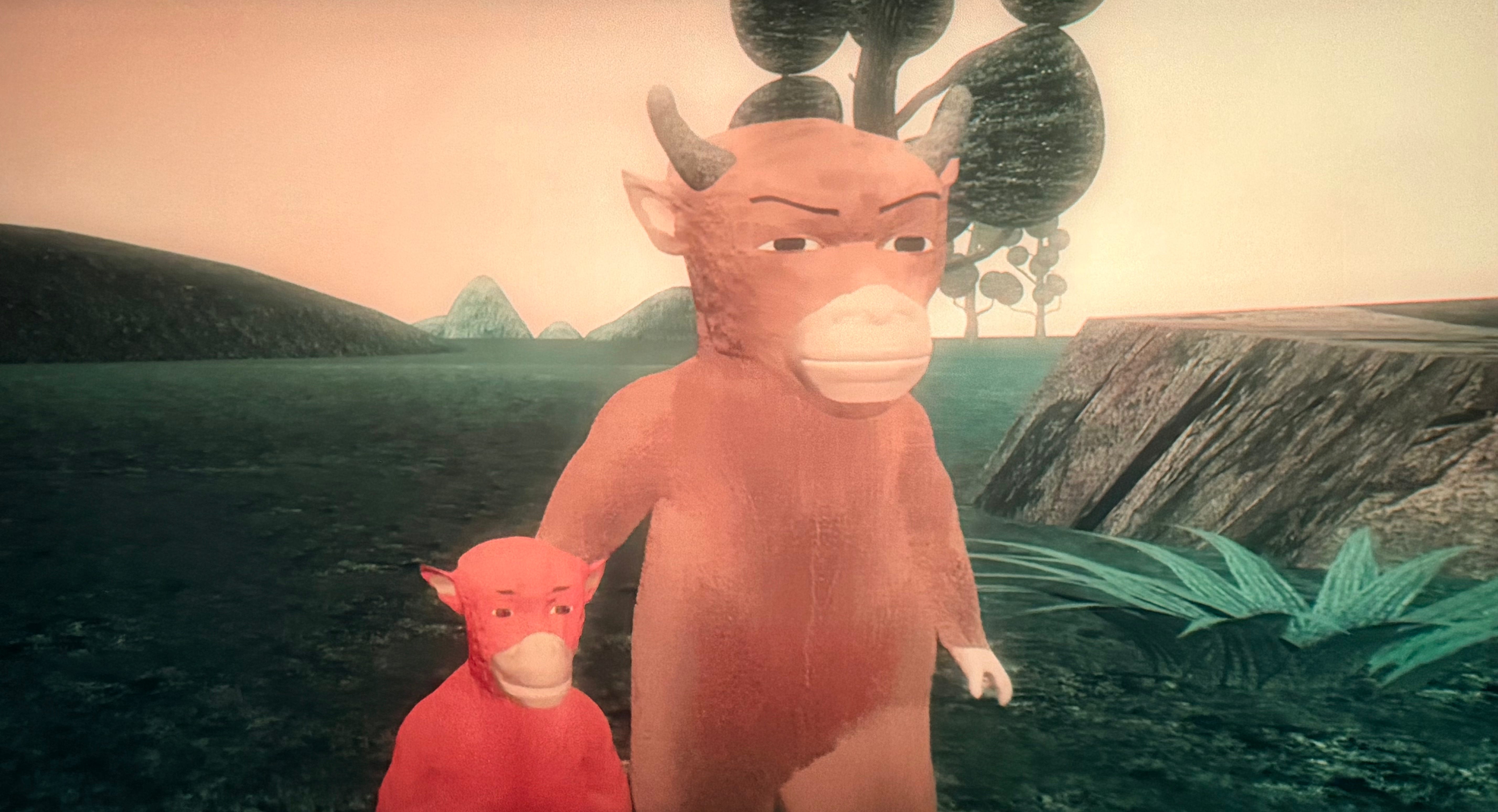
Last but not least, just as this story is unprecedented, it may also be unsubsequented. Even if new indie filmmakers go rogue like the mother-and-son crew and launch another one-person project, it would be simply unthinkable if they do not deploy AI.
This film was like a soundless, black-and-white movie before there was Disney. And you will never watch another soundless, black-and-white movie in a cinema that’s rowdy, laughing and cursing.
In case you don’t know, I like to use books, movies and TV shows to shed light on the national sentiment of contemporary China. For more, you can read this series.
Talk about visiting a Chinese cinema, perhaps the best time of the year will be this coming autumn, in one of the 7 Baiguan China Tours we are organizing.
Last week, I personally did 2 live Q&A sessions to explain our tours. You may read this written transcript.

It’s one of those one of truly. As people getting used to magnificent film with great animation and visual. Something like liulai is a stand out, a refresher and something that pull people back into the old days. And having a great laugh. Maybe our audience is getting tired of all these effect and just need something that’s simple and hit the spot.
Maybe it’s time we get back to the basic with some new generation form
I watched a few minutes of a pirated copy on YouTube, where the pirate simply pointed his phone at the screen without even bothering to get a decent microphone set up. The audience was raucous, it reminded me of me, watching the people who were watching a local puppet performance in Guangxi 20 years ago.